
Assessment
Assessment provides the evidence and understanding of what knowledge and skills are being learned by our pupils, of their wellbeing, and of their development. It includes the wide array of tools and techniques we use to evaluate, measure, and record pupils’ retention of understanding, their progression, skill acquisition and their changing needs and requirements.
Efficient assessment allows our teachers to plan their lessons effectively, to meet agreed outcomes and pupil aspirations, to individually target support where and when it is required, to ensure pupils remain challenged, and to improve future learning and teaching


Teachers follow a cycle of Assess, Plan, Do, Review. With a high understanding of a pupil and the pupil’s needs, we:
Assess a pupil’s engagement, response, confidence, independence and work, in lessons, at play and during social times.
Plan the provision and next steps – however small – to develop the young person across:
- The Redway School’s 15 programmes of Key Stage 1-5 study which follow the National curriculum through skilled, innovative and resourceful interpretation and adaption. Teachers use the programme of study to prepare medium term plans and individual lesson plans
- The five key development areas of cognition and learning, physical and sensory, health and wellbeing, communication and interaction, and independence and community skills which reflect the Education, Health, Care plan targets.
Do put the provision in place to meet required outcomes – in the right way, at the time, and with the right support.
Review the support, interventions and progress with teachers, teaching assistants, parents/carers and therapy and health professional, and decide the next steps.
For our pupils, with their wide range of cognitive levels, needs, conditions, and progression rates, evaluation techniques go far beyond the nature of mainstream school assessment. There can be no reliance, for example, on standardised exams and testing. In supporting our young people – many of whom may have profound medical requirements – analysing, understanding and intervening with regression or a development plateau is equally as vital.
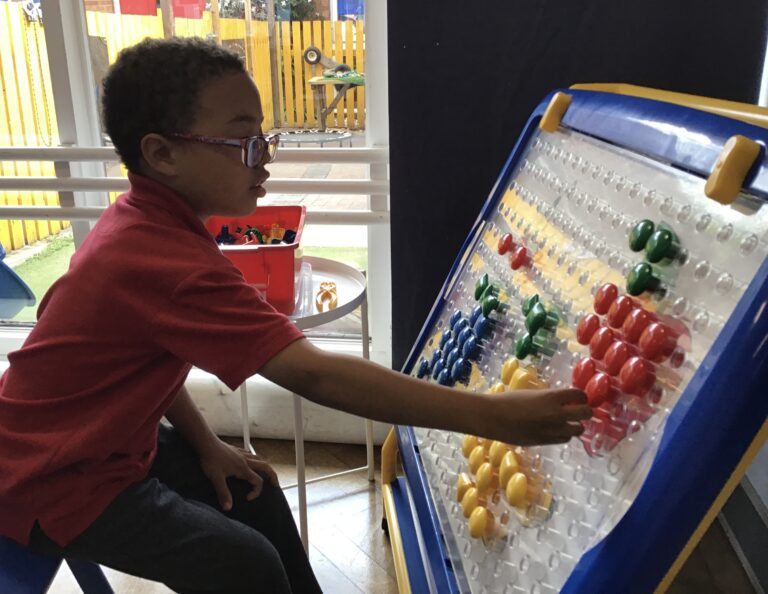
Strong summative assessment ensures we have a clear and realistic picture of what our pupils know, and can achieve, and what they next need to learn or what needs to be reinforced. This process includes close visual, photographic and video observation of pupils’ involvement, engagement and participation, scrutiny of cumulative work and creativity in whatever form that may be, and the balanced reflection of trained practitioners involved in their school life. Formative assessment monitors pupils’ learning style and ability, supporting teachers to differentiate and personalise teaching according to individual pupil needs; there is informal and daily appraisal of communication, actions, behaviour, and performance.
Assessment is supported by all involved in the young person’s development – detailed discussion with other involved teachers, our specialist teaching assistants, parents/carers, therapists, and health and care practitioners. Thoroughly knowing and carefully understanding each and every pupil is the key to effective assessment at this level of special educational needs. Triangulating and moderating assessment findings ensures a balanced and honest picture.
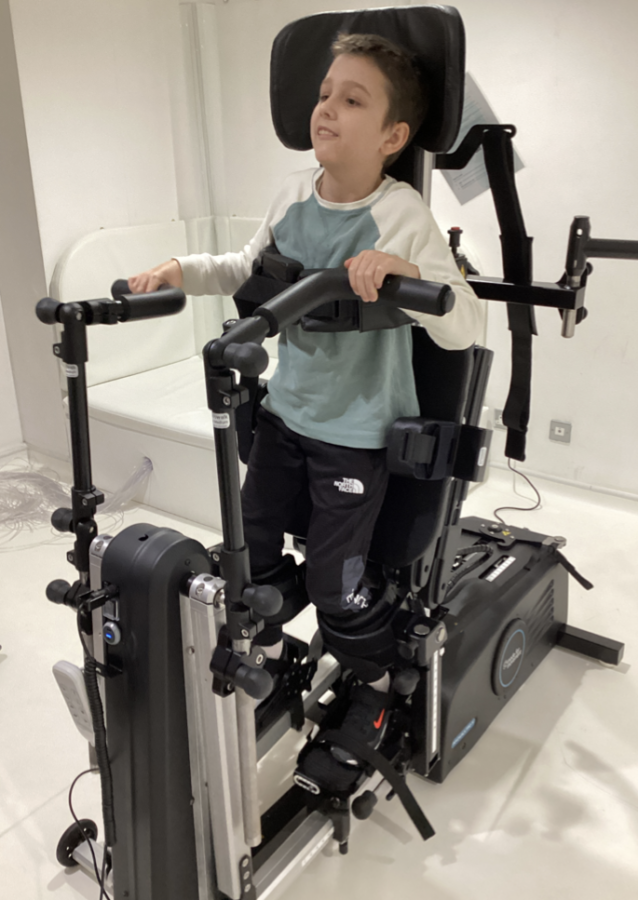
Supporting our assessment system is use of the Engagement Model, a statutory tool which evaluates pupils working below the standard of national curriculum assessment and not engaged in the style of subject-specific study seen at Key Stage 1 and 2 in mainstream schools. The model studies five areas of engagement:
- exploration
- realisation
- anticipation
- persistence
- initiation
Within the early years’ department, a Reception Baseline Assessment is completed within six weeks of pupils starting at The Redway School. At the end of June, the Reception Year data is submitted to the Local Authority and parents/carers using the Early Years Foundation Stage Profile. Prior to pupils transitioning from EYFS to Key Stage 1, pupils are baselined using either engagement steps or progression steps within the B Squared Connecting Steps framework.
Evidence of each pupil’s educational journey is captured through witness statements, photographs, videos, and their work, and teachers use an online recording tool called Evidence for Learning. Parents are also able to access this to view their child’s development and add their own evidence.

This informs teaching and learning and ensures coverage of the curriculum being taught is broad and has individual targeted outcomes. Each pupil has their own framework attached to their next steps which are appropriate to their EHCP targets, the programmes of study, and – where possible – accredited units such as AQA or ASDAN.
The Redway School records and analyses all assessment on nationally recognised B Squared Connecting Steps assessment software, designed to monitor and track the small steps of progress made by pupils with special educational needs and disabilities. Data drawn from this summative assessment is used alongside our curriculum to measure pupil progress, to find any gaps in learning, prompt interventions, provide school overview and support the leadership team in subject development and action planning to ensure The Redway continually offers high-quality teaching and learning.