
Home » Science
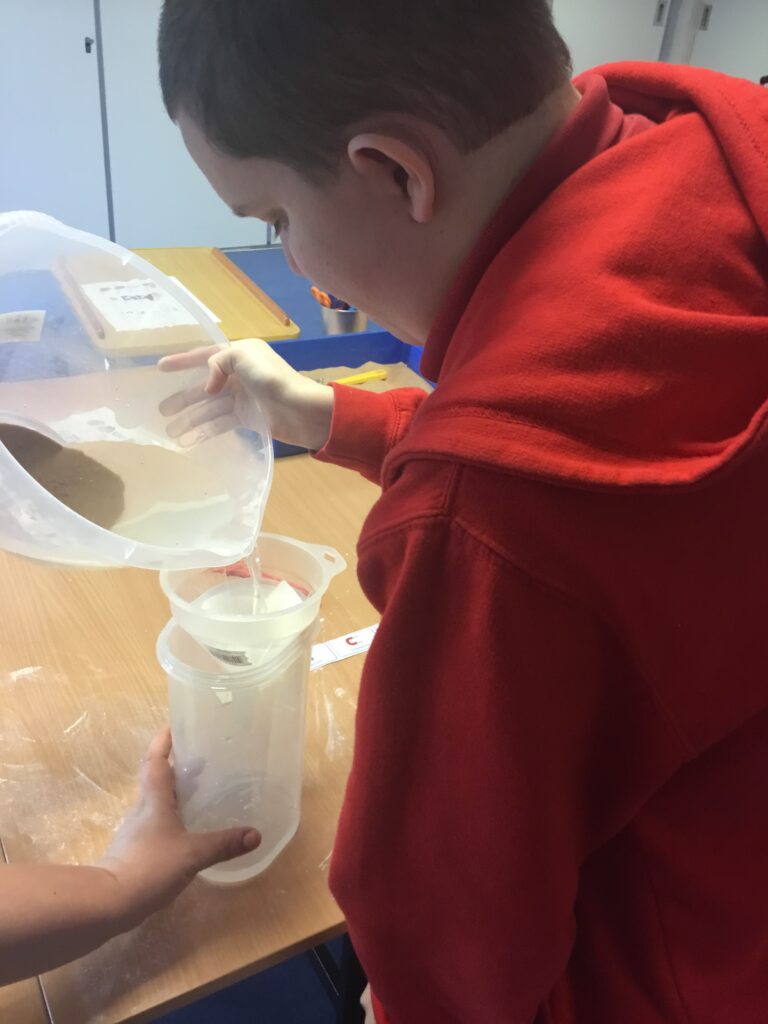
In our science lessons we aim to feed our pupils’ curiosity and help them to understand the world around them. We use simple experiments and demonstrations to aid in the understanding of scientific concepts and produce the ‘wow’ factor to develop a joy for science. All the while the pupils are encouraged to question everything they see, from ‘what does that feel like?’ and ‘what happens if?’ to ‘why and how does that happen?’.
As well as covering the areas of biology, chemistry, and physics knowledge, we also teach about working in a scientific way such as understanding if something is a fair test and being able to analyse data.
Our Curriculum is split into pre-formal, semi-formal, and formal pathways.
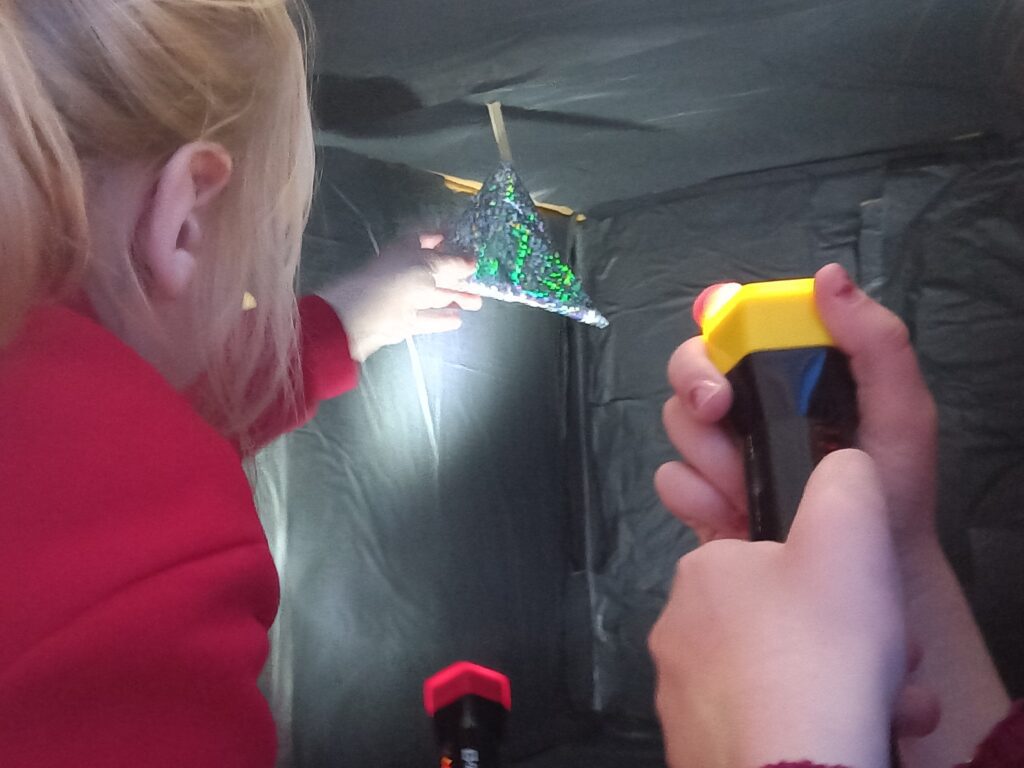
Pre-Formal: Science forms an integral part of learning to understand the world around us. At this level of learning, pupils are using their curiosity to investigate the world around them using their different senses. The curriculum reflects this and allows pupils to develop the prerequisite skills and concepts that they need to engage with semi-formal and formal science.
Semi-Formal: Pupils learn to identify and name objects and processes related to the different scientific areas that are identified in the National Curriculum. They begin to focus their exploration to answer simple science questions. They begin to gain some of the simpler concepts they need to start understanding a more formal learning of science.
Formal: The National Curriculum at KS1 and KS2 is broken down within the formal part of the science curriculum to allow pupils to understand the important scientific concepts. They are encouraged to question the world around them and plan their own experiments to try and answer some of these questions. They learn about forming hypotheses, carrying out fair tests and how to draw conclusions from the data that they have recorded.
This website collects cookies to deliver better user experience. To find out more about how cookies are stored and processed see our full policy linked below.