
Geography at The Redway School
Through Geography, pupils will learn about their local environment as well as the wider world. They will have opportunity to understand human geography, physical features through field work, map work, geographical enquiry and sensory experiences. There will be focus on how the structure of the world determines different weather patterns and climates, and recognising that environmental changes lead to changes in communities and landscapes of the world.
Teaching will equip pupils with knowledge of different places, people, resources, and natural and human environments.
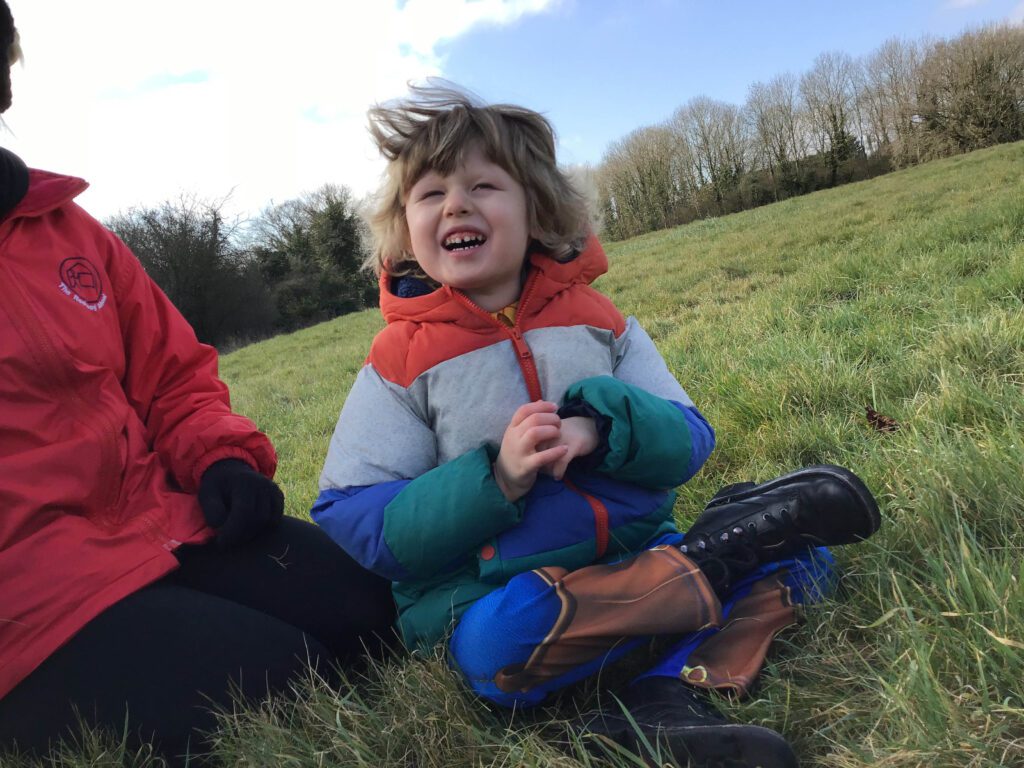

Our Curriculum is split into pre-formal, semi-formal, and formal pathways.
Pre-Formal: Pupils on the pre-formal pathway will learn about developing an understanding of different environments and to be able to show anticipation and curiosity e.g. show excitement when entering the swimming pool area. They will have opportunities to respond to sensory activities that explore characteristics and attributes of different landscapes and countries such as rural and city as well as respond to human features found in the local envrionment e.g. The Rose near CentreMK. They will understand space and their place in an environment.
Semi-Formal: Pupils at this stage will be developing the skills they need to be able to identify, compare and contrast geographical features, such as geographical characteristic, climate, animal life, and landmarks. Pupils will be able to navigate to familiar locations and communicate simple directions such as forward, left, right and backwards. Pupils will start to use maps to locate a familiar places.
Formal: The formal curriculum builds upon the skills and understanding of the semi formal curriculum linking closely with the National curriculum. Pupils will be able to identify the purpose of globes, atlases and maps and select the most appropriate tool. They will be able name and locate the seven continents and five oceans and have an increased understanding of how the United Kingdom is formed. Through topography they will describe physical features of both countries and cities. They will be able to follow and use more complex directional language such as east, west, north and south. They will be able to follow maps and devise their own to navigate others. They will understand differences of climate, animal life and human environment in different countries.